Back to Rhythm
Monday Momentum | 12 January 2026
The Christmas marathon is over. Weeks of shuttling between Valtellina and Belluno, of friends squeezed between appointments rather than savoured over long meals, of ski touring plans undone by absent snow. We’re back in Winchester now, tired in a way that feels earned but not quite right.
Here’s what I know after these Italian weeks: I need to travel less and be present more. Every time I see Claudio, Doctor Bike, the friend who needs no agenda, no outcome, just the pure joy of being together, I’m reminded of what relationships should feel like. We share something deeper than business: a connection to the mountains that gave us both our identity, a debt to mentors like Gigi Dal Pozzo who taught us that adventure isn’t what you extract from life, it’s what you give to it.
The Belluno friendships feel solid but somehow frozen. We need to grow old together properly, not just exchange hurried updates between obligations. Invecchiare insieme requires presence, not efficiency.
This week’s work rhythm:
The UK pipeline is moving. Institutional partners, enormous ones, are interested. I’d be lying if I said the scale didn’t worry me. I know the weight of governance in large organisations; I’ve felt it crush good ideas before. But I’m older now. I understand limits better, mine, theirs, the structures themselves. I can work within those constraints while still pushing for what matters: distributed value, not extracted wealth.
January’s focus is Italy: bringing the Belluno project to fruition and implementing the organisational changes that unlock motivation across the entire structure. I made an error, concentrating the accountability message on too few people. The message needs to reach everyone: accountability isn’t a costume you wear to impress; it’s what gets you out of bed.
Meanwhile, the Scandinavian and Swiss threads continue. Nothing structured enough to present yet. The English work needs careful assembly, these institutions want rigour, and I’m ready to provide it.
What’s really on my mind:
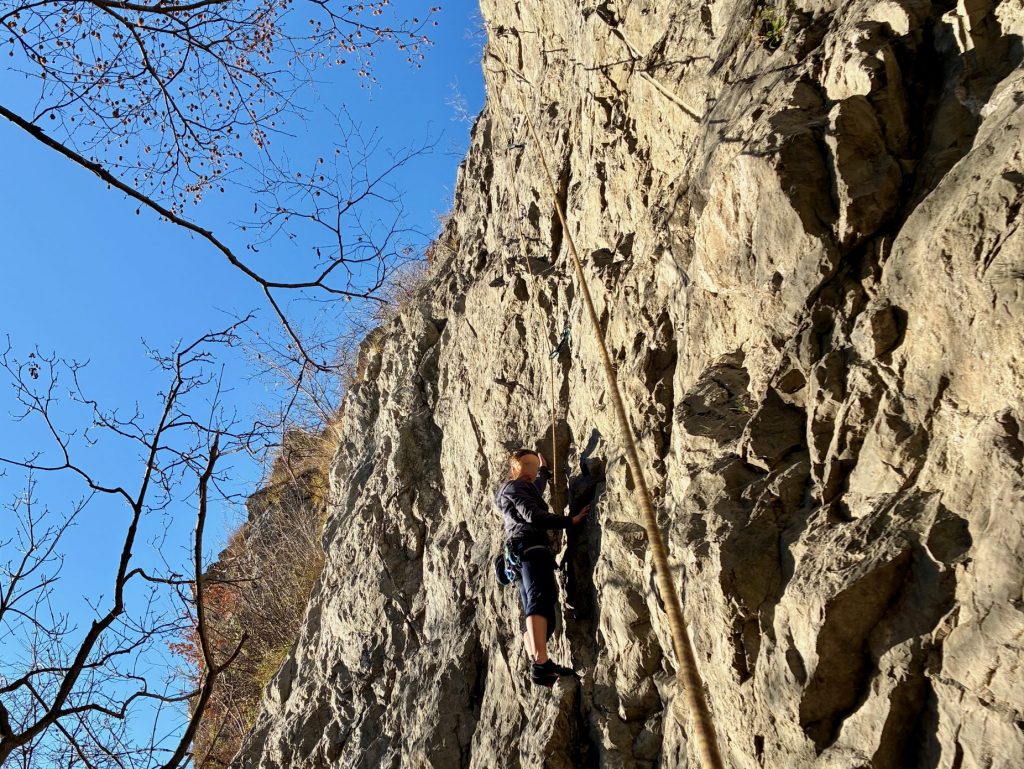
Amelie fell while leading a climb during our Italian weeks. Not a bad fall, gear held, technique was fine, but she’d rushed the understanding of the line. Here’s what surprised me: she didn’t lose her confidence. She wanted to keep climbing, keep leading, even with that long runout ahead. She knows the alternative: fear calcifies if you let it settle.
But I made her stop.
I climbed up because something felt wrong. And indeed, that 5c was more like a 6b, slippery and deceptive. The rock was lying about its difficulty. I made her wait, observe my moves, think, then follow. Not because pushing through proves anything, but because I knew I had to protect her confidence and exuberance for the real victory. That battle could have been lost.
I’ve been thinking about this ever since. The instinct to push through is valuable; Amelie has it, and I’m proud of that. But knowing when to protect that instinct from the wrong situation is something else entirely. Sometimes the mentor’s job isn’t to encourage forward; it’s to say “not here, not now.”
With daughters, with partners, with AI systems that don’t yet know their own limits, the question isn’t just “when to push.” It’s “when to protect the capacity to push from situations that would break it.”
The AI conversation isn’t abstract for me. I watched the Grok scandal unfold this week, Ofcom finally using its teeth, Liz Kendall making the creation of deepfake imagery a criminal offence. Good. But these are reactive measures, repairs after damage. What I keep asking: where are the protocols designed the way we design safety systems in other industries? Where is the possibility of certain errors being excluded by architecture, not cleaned up after the fact?
The Chinese approach to AI safety looks comprehensive on paper, but the safeguards serve state control, not human flourishing. The Western approach moves faster but leaves gaps that people fall through. Neither is what we need.
Looking ahead:
Smart Mountains seeding round should open if we deliver the test sites. Between now and then: ESG Belluno partnership solidified, several technology partner integrations, and preparation for the next outdoor adventures with friends, partners and colleagues. Adventure as a partnership laboratory, again.
This week: restore the rhythm. Sleep properly. Write the Wednesday essay on why some clients resist embedded partnerships, not because they’re wrong, but because depth exposes what shallowness hides.
The outdoors starts at home. The adventures start when you stop running from place to place and actually arrive somewhere.
How are you starting your year? What rhythm are you trying to find or recover?